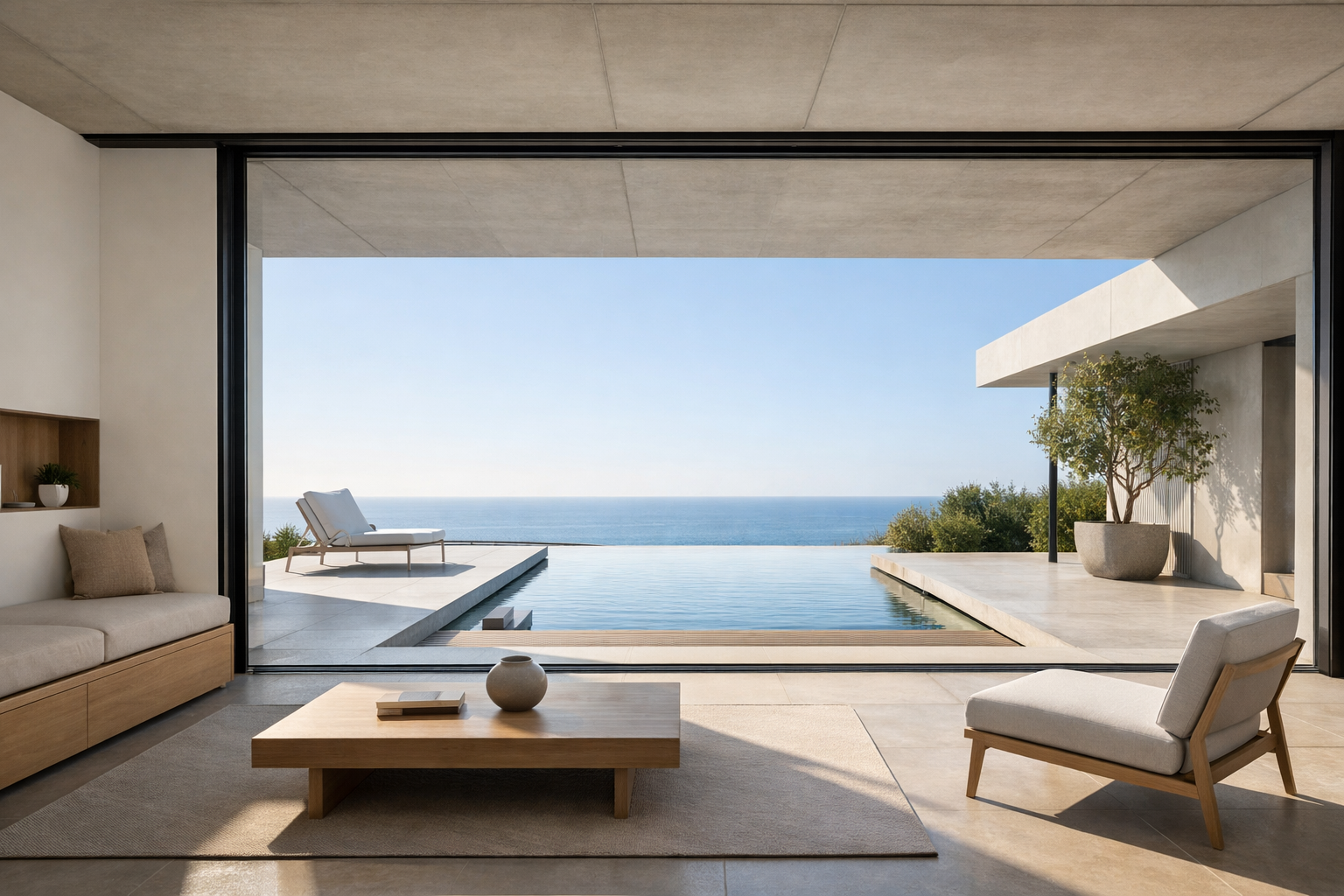
In a world increasingly defined by clutter—both physical and digital—minimalist architecture offers something rare: clarity. It’s not just about empty rooms and white walls. At its core, minimalist architecture is about intentional living, where every square foot, every line, and every material serves a meaningful purpose.
As cities become denser and lifestyles more streamlined, this design philosophy has emerged as one of the most powerful architectural movements of the 21st century.
What Is Minimalist Architecture?
Minimalist architecture is a design approach that prioritizes simplicity, functionality, and spatial efficiency. It removes anything unnecessary and elevates what remains.
Rather than filling space, minimalist architecture shapes it.
Three core principles guide this philosophy:
- Form follows function
- Less is more
- Space is a design element.
The result is architecture that feels calm, intentional, and timeless.
Why Less Space Leads to Better Design
One of the biggest misconceptions is that minimalism means sacrificing comfort. In reality, smaller spaces force smarter design.
When space is limited, architects must think carefully about:
- Light flow
- Storage solutions
- Movement through rooms
- Visual balance
Instead of hiding flaws behind excess, minimalist architecture solves them through precision and creativity.
A compact minimalist home often feels more open and livable than a large, cluttered one—because every inch is optimized.
The Power of Empty Space
In minimalist architecture, space isn’t wasted—it’s essential.
Known as “negative space,” it gives the eye a place to rest and allows important design elements to stand out. This creates:
- Visual harmony
- Mental calm
- A sense of openness
- Better natural lighting
Rather than filling every corner, minimalist design lets space breathe.
Key Elements of Minimalist Architecture
1. Clean Lines
Minimalist buildings rely on straight, uninterrupted lines. This creates a sense of order and modern elegance.
2. Neutral Colors
Whites, greys, soft beiges, and natural tones dominate. These colors reflect light, keeping interiors feeling spacious and peaceful.
3. Natural Materials
Wood, stone, concrete, and glass are commonly used—not hidden, but celebrated for their textures.
4. Functional Layouts
Rooms are designed around how people actually live, not decorative trends.
5. Built-In Storage
Storage is often integrated into walls, floors, and furniture to keep surfaces clear.
Minimalist Architecture and Sustainability
One of the most powerful advantages of minimalist architecture is its environmental impact.
Smaller, efficient spaces require:
- Less energy to heat and cool
- Fewer building materials
- Reduced waste
Many minimalist homes are designed with large windows, passive solar heating, and natural ventilation—reducing dependence on artificial systems.
Minimalism isn’t just stylish. It’s responsible.
How Minimalist Design Improves Mental Well-Being
Our surroundings shape how we feel.
Minimalist architecture reduces visual noise, which in turn lowers stress and increases focus. Studies consistently show that uncluttered environments lead to:
- Improved concentration
- Better sleep
- Reduced anxiety
- Higher productivity
When your space is calm, your mind follows.
Minimalist Architecture in Urban Living
As cities grow, space becomes more expensive and limited. Minimalist architecture offers a solution.
Micro-apartments, modular homes, and compact lofts are being designed with:
- Multi-use furniture
- Open-plan layouts
- Hidden storage
- Natural lighting
These spaces prove that you don’t need more square footage—you need better design.
Minimalism vs. Sterility: Finding the Balance
Minimalist architecture doesn’t mean cold or lifeless.
The best designs balance simplicity with warmth through:
- Soft lighting
- Natural textures
- Thoughtful furniture placement
- Personal touches
Minimalism is not about removing personality—it’s about making room for it.
Why Minimalist Architecture Is the Future
As lifestyles become more mobile, digital, and sustainability-focused, minimalist architecture continues to grow in relevance.
It offers:
- Lower costs
- Reduced environmental impact
- Improved quality of life
- Timeless aesthetic appeal
In a noisy world, minimalist design is a form of quiet luxury.
Final Thoughts
Minimalist Architecture: Less Space, Better Design isn’t just a trend—it’s a shift in how we live, build, and think.
By embracing simplicity, we create spaces that are more functional, more beautiful, and more human.
Less space doesn’t mean less living.
It means living better.