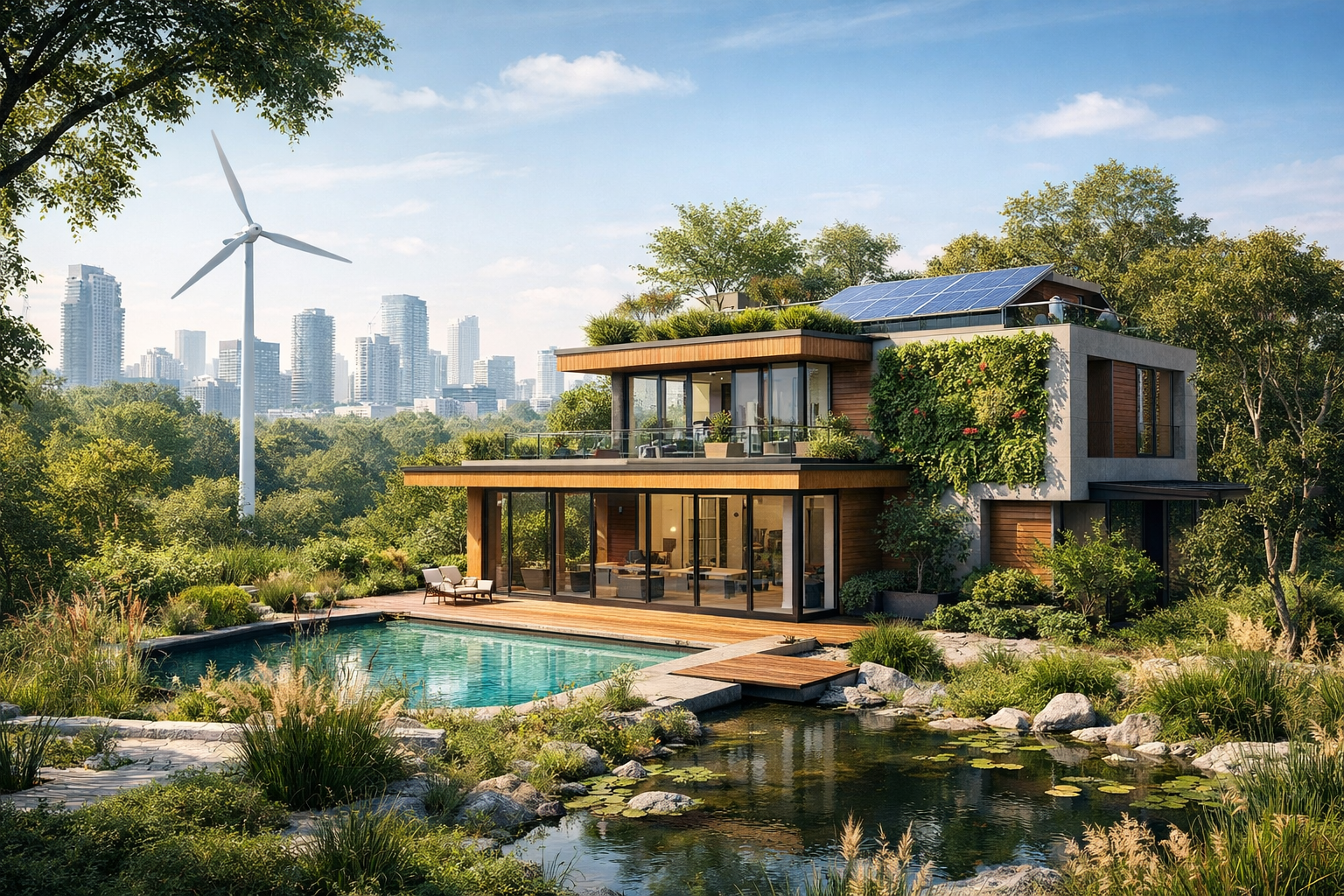
Eco-enthusiasts and experimental designers are no longer the only people involved in the sustainable architecture movement. It has become the backbone of how modern cities, homes, and communities are being built. As climate challenges intensify and energy costs rise, people are demanding spaces that are healthier, smarter, and kinder to the planet—without sacrificing comfort or beauty.
Today’s sustainable buildings are not just “green.” They are intelligent ecosystems that reduce waste, conserve energy, and enhance human well-being. Let’s explore the most powerful sustainable architecture trends shaping modern living and why they’re redefining how we build and live.
1. Net-Zero and Energy-Positive Buildings
One of the biggest shifts in sustainable architecture is the move toward net-zero energy buildings—structures that generate as much energy as they consume. Some even go so far as to produce excess power that can be fed back into the grid, making them energy-positive.
This is achieved through:
- High-performance insulation
- Triple-glazed windows
- Solar panels and wind micro-turbines
- Smart energy management systems
These buildings dramatically reduce carbon emissions while protecting homeowners from rising utility costs. In modern living, energy independence is becoming as valuable as location.
2. Passive Design Is Replacing Mechanical Dependence
Instead of relying on air conditioners and heaters, architects are returning to something far more powerful: nature itself.
Passive design uses:
- Building orientation
- Natural airflow
- Thermal mass
- Strategic shading
By correctly placing windows, walls, and roofs, homes stay cool in summer and warm in winter with minimal energy use. This not only lowers bills but also creates more comfortable and naturally lit living spaces.
Passive design is one of the most important sustainable architecture trends shaping modern living because it works with the environment instead of against it.
3. Biophilic Design: Bringing Nature Indoors
Modern people spend over 90% of their time indoors, leading to a growing disconnect from nature. Biophilic design is reversing that trend.
This approach integrates:
- Indoor gardens and green walls
- Natural materials like wood and stone
- Water features
- Large daylight openings
The results are stunning. Studies show biophilic spaces improve mood, productivity, and even immune health. In modern homes and workplaces, greenery is no longer decorative—it’s essential.
4. Recycled and Regenerative Building Materials
Sustainable architecture now goes beyond energy efficiency to address the impact of materials. Architects are choosing materials that reduce waste, carbon emissions, and environmental damage.
Popular options include:
- Reclaimed wood
- Recycled steel
- Bamboo flooring
- Low-carbon concrete
- Hempcrete and rammed earth.
Even more exciting is the rise of regenerative materials that absorb carbon from the atmosphere rather than emitting it. Buildings are becoming part of the climate solution, not the problem.
5. Smart Homes That Optimize Sustainability
Technology is transforming how sustainability works inside a building. Smart homes now monitor and adjust:
- Lighting
- Heating and cooling
- Water use
- Energy consumption
AI-powered systems learn how people live and automatically fine-tune the environment, eliminating waste. For modern living, this means comfort, efficiency, and sustainability all working together seamlessly.
6. Modular and Prefabricated Construction
Traditional construction creates enormous waste and takes years to complete. Modular and prefab building changes that.
These structures are:
- Built in controlled factory environments
- More precise and efficient
- Faster to assemble
- Less wasteful
They also allow sustainable features to be built in from the start, rather than added later. For cities facing housing shortages and climate pressure, this is one of the most practical sustainable architecture trends shaping modern living.
7. Water-Smart Design
Freshwater is becoming one of the world’s most precious resources. Modern sustainable buildings now include:
- Rainwater harvesting systems
- Greywater recycling
- Low-flow plumbing
- Green roofs that absorb rainfall
These features dramatically reduce water use and protect local ecosystems. Sustainable living is no longer just about energy—it’s about preserving every resource.
8. Urban Green Architecture
Cities are being reimagined with sustainability at their core. Architects are creating:
- Vertical gardens
- Rooftop farms
- Green corridors between buildings
- Tree-covered residential towers
These designs reduce heat, improve air quality, and create healthier urban environments. As more people move to cities, green architecture is shaping how modern urban life will look and feel.
9. Climate-Resilient Design
Modern architecture must now prepare for extreme weather, rising sea levels, and heat waves. Sustainable buildings are being designed to:
- Resist floods and hurricanes.
- Stay cool during heatwaves.
- Use renewable energy during power outages.
Resilience is becoming just as important as efficiency. Homes must not only be green—they must also protect the people inside them.
10. Sustainable Architecture as a Lifestyle
What makes these trends so powerful is that they go beyond construction—they shape how people live.
Sustainable homes encourage:
- Healthier air and light
- Lower expenses
- Connection to nature
- Long-term environmental responsibility
This is not about sacrifice. It’s about living better.
The Future of Sustainable Architecture
Bigger buildings or flashy designs will not define the future of modern living—it will be determined by how intelligently we use the planet’s resources.
As technology, design, and environmental awareness continue to merge, sustainable architecture will become the global standard. The homes of tomorrow will generate their own energy, clean their own water, and support the health of both people and the planet.
And that’s exactly why sustainable architecture trends shaping modern living are not just a phase—they are the foundation of the future.