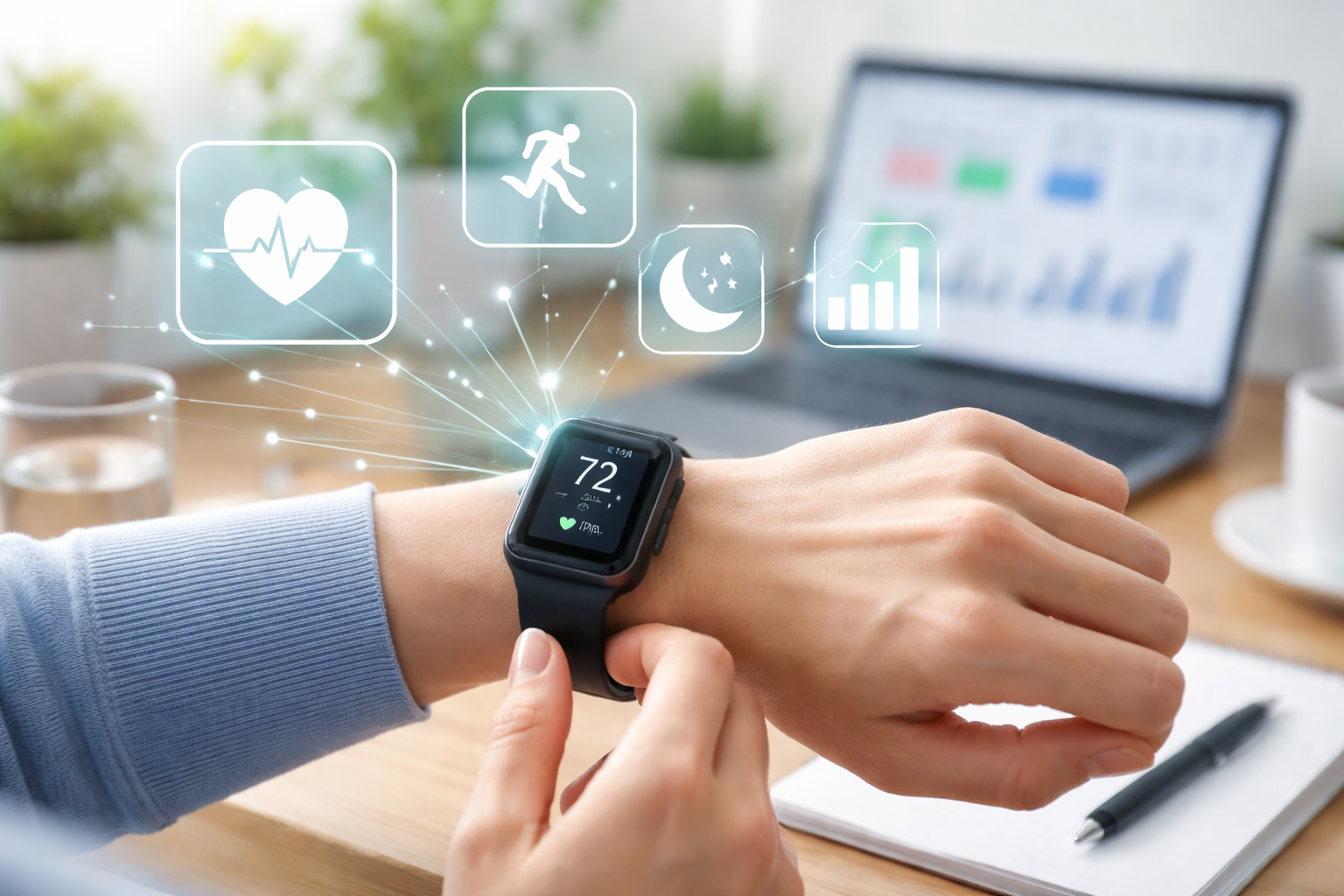
Wearable technology has moved far beyond being a fitness trend. Today, smartwatches, fitness bands, and health trackers play a meaningful role in how people manage their well-being, work smarter, and stay productive throughout the day. From monitoring heart health to optimizing focus at work, wearable gadgets are reshaping daily habits in subtle but powerful ways.
This article explores how wearable gadgets improve health and productivity, backed by practical use cases, behavioral science, and real-life benefits that go beyond basic step counting.
The Rise of Wearable Technology
Wearable gadgets are compact electronic devices designed to be worn on the body—typically on the wrist, finger, or clothing. Popular examples include smartwatches, fitness trackers, smart rings, and health-monitoring bands.
What sets modern wearables apart is their ability to:
- Collect real-time biometric data.
- Analyze patterns over time.
- Offer actionable insights instead of raw numbers.
As a result, users are no longer guessing about their health or energy levels—they’re making informed decisions.
How Wearable Gadgets Improve Health
1. Real-Time Health Monitoring
One of the biggest health advantages of wearable gadgets is continuous monitoring. Unlike annual checkups that offer snapshots, wearables provide ongoing insight into the body’s daily rhythms.
Common metrics include:
- Heart rate and heart rate variability (HRV)
- Blood oxygen levels (SpO₂)
- Sleep stages and recovery quality
- Physical activity levels
This constant feedback helps users recognize early warning signs, such as elevated resting heart rate or poor sleep trends, before they become serious problems.
2. Encouraging Physical Activity Without Overwhelm
Wearables excel at making things feel achievable. Instead of pushing extreme fitness goals, they promote consistency.
Features like:
- Step reminders
- Activity rings
- Short movement prompts
Encourage users to stay active throughout the day—especially important for people with desk jobs. Over time, these small nudges lead to sustainable behavior change.
3. Better Sleep, Better Health
Sleep quality directly impacts immunity, mood, metabolism, and mental clarity. Wearable gadgets track sleep duration and stages, including light, deep, and REM sleep.
By identifying patterns—such as late-night screen use or inconsistent bedtimes—users can adjust their habits to improve recovery. Better sleep translates into improved physical health and emotional resilience.
4. Stress Awareness and Mental Well-Being
Many wearables now include stress-tracking features that use heart rate variability and breathing patterns. While they don’t diagnose stress, they help users become aware of it.
Some devices offer:
- Guided breathing exercises
- Mindfulness reminders
- Alerts during prolonged stress periods
This awareness allows users to pause, reset, and prevent burnout before it escalates.
How Wearable Gadgets Improve Productivity
1. Energy Management, Not Just Time Management
True productivity isn’t about working longer—it’s about working when energy is highest. Wearable gadgets help users understand when they are most alert and when they need rest.
By analyzing sleep quality, activity levels, and recovery, wearables help users:
- Schedule demanding tasks during peak focus hours.
- Take breaks before mental fatigue sets in
- Avoid overworking during low-energy periods.
2. Fewer Distractions, More Focus
Smartwatches allow users to filter notifications intelligently. Instead of constantly checking phones, users can see only essential alerts.
This reduces:
- Phone dependency
- Context switching
- Digital distraction during deep work
Some wearables also support focus timers and gentle reminders to return to tasks.
3. Healthy Habits That Support Consistent Performance
Productivity thrives on consistency, and health habits form its foundation. Wearable gadgets reinforce routines such as:
- Regular movement
- Hydration reminders
- Consistent sleep schedules
Over time, these habits improve cognitive performance, mood stability, and resilience—key traits of high performers.
4. Reduced Sick Days and Burnout
By tracking early signs of fatigue, stress, or poor recovery, wearable devices help users take preventive action. This leads to:
- Fewer health-related disruptions
- Better work-life balance
- Long-term productivity sustainability
For organizations, this translates into healthier, more engaged teams.
Wearable Gadgets in the Workplace
Many companies are now embracing wearable technology as part of wellness initiatives. When used ethically and voluntarily, wearables can:
- Encourage healthier work habits.
- Support employee well-being
- Improve the overall productivity culture.
Remote workers, in particular, benefit from wearables that help structure days, maintain movement, and prevent isolation-related burnout.
Choosing the Right Wearable Gadget
Not all wearables serve the same purpose. When selecting one, consider:
- Health goals (fitness, sleep, stress, heart health)
- Battery life and comfort
- Data accuracy and app usability
- Privacy and data control
The best wearable is the one you’ll actually wear consistently.
The Future of Wearable Technology
Wearables are evolving rapidly, with advancements in:
- AI-driven health insights
- Non-invasive glucose and blood pressure monitoring
- Personalized productivity coaching
As these technologies mature, wearable gadgets will shift from tracking behavior to actively improving it in real time.
Final Thoughts
Wearable technology is no longer just about counting steps or tracking workouts. When used thoughtfully, it becomes a powerful personal assistant—helping individuals understand their bodies, protect their health, and perform at their best.
By offering real-time insights, encouraging healthy habits, and supporting mental clarity, wearable gadgets play a vital role in improving both health and productivity in modern life.
The real value lies not in the device itself, but in how consistently and intentionally it’s used.