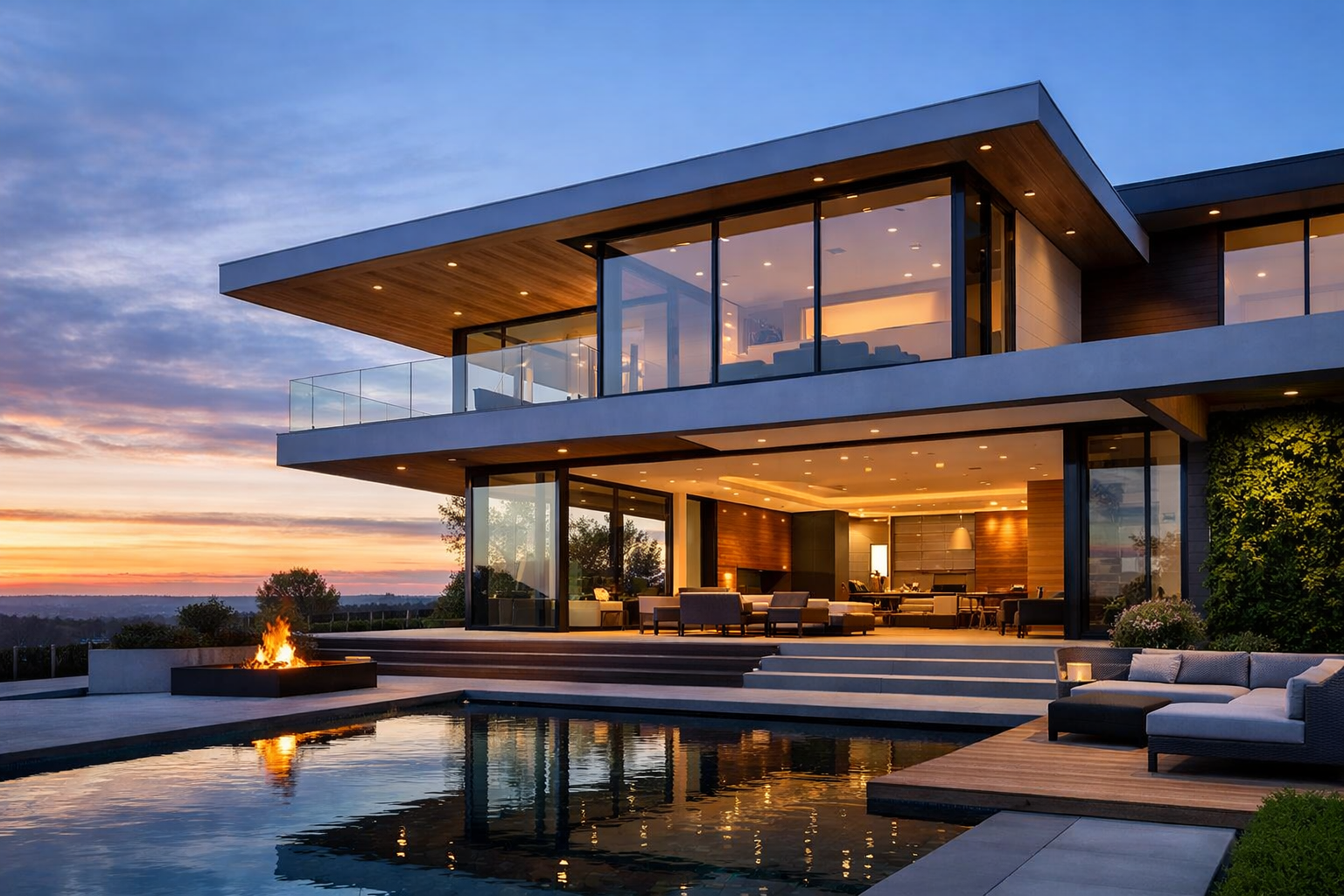
Modern architecture is more than clean lines and glass facades—it’s a powerful philosophy that combines purpose with aesthetics. At its best, contemporary design doesn’t force homeowners, businesses, or cities to choose between beauty and practicality. Instead, it proves that the two can coexist seamlessly. Understanding how modern architecture blends function and beauty helps explain why this design movement continues to shape skylines, homes, and workplaces around the world.
The Philosophy Behind Modern Architecture
Modern architecture grew out of the belief that buildings should reflect the way people truly live and work. Instead of copying historical styles, modern architects focused on simplicity, efficiency, and innovation. Every structural choice—window placement, floor layout, materials—serves a purpose.
Yet purpose alone isn’t enough. Modern architecture also strives to create emotional impact. Light-filled rooms, open spaces, and clean geometry create environments that feel calm, inspiring, and human-centered. That balance is exactly how modern architecture blends function and beauty so effectively.
Clean Lines That Serve a Purpose
One of the most recognizable elements of modern architecture is its use of clean, simple lines. These aren’t just for visual appeal—they help eliminate unnecessary complexity. Straightforward layouts make buildings easier to navigate, maintain, and modify over time.
From a design perspective, minimalism creates visual harmony. When walls, ceilings, and windows flow together without clutter, the space feels open and balanced. Functionally, it allows architects to prioritize airflow, lighting, and movement. This is a perfect example of how modern architecture blends function and beauty through intentional simplicity.
Natural Light as a Design Tool
Modern buildings are famous for their large windows, glass walls, and skylights. These elements do far more than look stylish. They reduce the need for artificial lighting, lower energy costs, and improve mental well-being.
Sunlight makes rooms feel alive. It highlights textures, enhances colors, and connects people to the outside world. At the same time, strategically placed windows regulate heat and airflow. This dual role shows how modern architecture blends function and beauty using one of nature’s most powerful resources—light.
Open Floor Plans That Encourage Connection
Traditional architecture often relied on walls to separate rooms. Modern design breaks those barriers, creating open floor plans that allow people to move freely and interact naturally.
Open spaces are not only visually appealing—they are practical. Families can cook, work, and relax in a shared area. Businesses can collaborate more easily. These layouts adapt to changing needs, proving that flexible design is both beautiful and functional.
This adaptability is another reason why modern architecture blends function and beauty is such a compelling topic today.
Smart Use of Materials
Modern architects carefully select materials that are durable, sustainable, and visually striking. Concrete, steel, glass, and natural wood are common choices—not just for looks, but for longevity and efficiency.
For example, exposed concrete offers strength and thermal mass, helping regulate indoor temperature. Glass allows light to flow freely. Wood adds warmth and organic texture. Together, these materials create spaces that are both strong and inviting.
By choosing materials that perform well and look stunning, modern architecture proves that form and function don’t compete—they enhance each other.
Sustainability Meets Elegance
One of the most exciting aspects of modern architecture is its focus on sustainability. Energy-efficient windows, green roofs, solar panels, and eco-friendly materials are now standard in many designs.
What’s remarkable is how seamlessly these features are integrated. Solar panels don’t ruin a building’s appearance—they often enhance it. Green roofs add beauty while improving insulation and air quality. This harmony is a perfect illustration of how modern architecture blends function and beauty in a world that values both design and responsibility.
Technology Enhancing Design
Smart homes and intelligent buildings are becoming a natural part of modern architecture. Automated lighting, climate control, and security systems improve convenience and energy efficiency.
These technologies are usually hidden within sleek designs, keeping interiors clean and uncluttered. Instead of distracting from beauty, technology quietly supports it—another way modern architecture merges innovation with elegance.
Emotional Impact of Modern Design
Beautiful buildings do more than look good—they make people feel good. Modern architecture creates spaces that reduce stress, improve focus, and encourage creativity. The thoughtful use of light, space, and materials has a psychological effect that enhances daily life.
This emotional dimension is often overlooked, but it’s central to understanding how modern architecture blends function and beauty. A building that works well and feels good is the ultimate design success.
Why Modern Architecture Continues to Dominate
Modern architecture remains popular because it evolves with human needs. Whether it’s a cozy home, a towering office, or a public space, contemporary design adapts without sacrificing elegance.
People want buildings that are efficient, sustainable, comfortable, and visually pleasing. Modern architecture delivers all of that in one cohesive package.
Final Thoughts
The true brilliance of modern architecture lies in its balance. It doesn’t force a choice between utility and aesthetics—it combines them into a single, powerful vision. From sunlight-filled rooms to smart materials and sustainable features, every detail reflects a commitment to both practicality and visual harmony.
Understanding how modern architecture blends function and beauty reveals why this style continues to define the future of design. It’s not just about how buildings look—it’s about how they work, how they feel, and how they improve the lives of the people who use them.