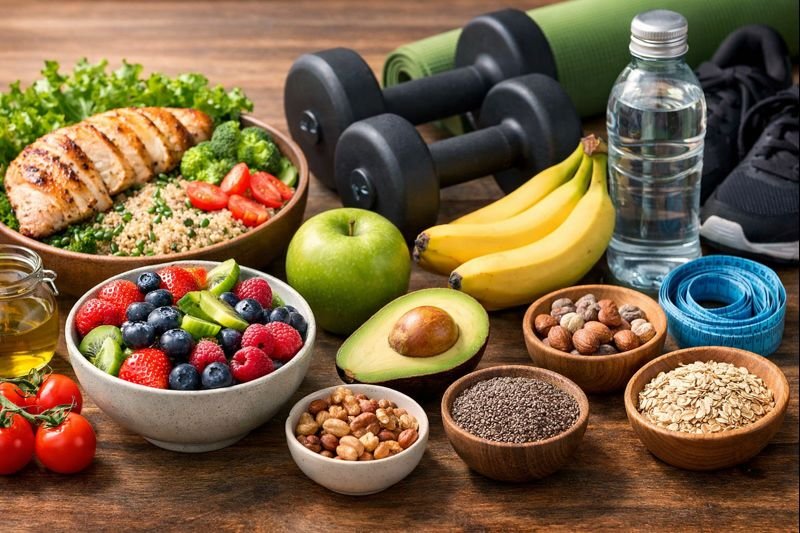
A stronger, fitter life doesn’t come from extreme diets or short-term food rules. It’s built through consistent, realistic eating habits that fuel your body, support your goals, and fit into everyday life. Healthy eating is not about perfection—it’s about balance, nourishment, and sustainability.
Whether you want more energy, better workouts, improved immunity, or long-term wellness, the right food choices can transform how you feel and perform. Below are practical, science-backed healthy eating tips for a stronger, fitter life that you can start using today—without stress or deprivation.
1. Focus on Whole, Real Foods First
The foundation of healthy eating is choosing foods that are as close to their natural state as possible. Whole foods are rich in nutrients, fiber, and antioxidants that support muscle strength, metabolism, and overall health.
Prioritize:
- Fresh vegetables and fruits
- Whole grains like oats, brown rice, and quinoa
- Lean proteins such as eggs, fish, poultry, beans, and tofu
- Healthy fats from nuts, seeds, olive oil, and avocados
Minimizing highly processed foods helps reduce excess sugar, sodium, and unhealthy fats that can slow progress and drain energy.
2. Build Balanced Meals Every Time You Eat
Balanced meals help stabilize blood sugar, prevent cravings, and support muscle recovery. A simple structure makes healthy eating easy and sustainable.
Use this balanced plate method:
- ½ plate: vegetables or fruits
- ¼ plate: lean protein
- ¼ plate: complex carbohydrates
- Add a small portion of healthy fat.
This approach ensures your body gets the fuel it needs for strength, endurance, and daily performance.
3. Prioritize Protein for Strength and Recovery
Protein plays a key role in building muscle, repairing tissue, and keeping you full longer. Many people underestimate how much protein they need, especially if they’re active.
Smart protein sources include:
- Eggs and Greek yogurt
- Fish and lean meats
- Lentils, chickpeas, and beans
- Tofu, tempeh, and edamame
Aim to include protein in every meal to support a stronger, fitter body.
4. Choose Carbohydrates That Fuel, Not Drain
Carbohydrates are often misunderstood, but they are essential for energy—especially for workouts and active lifestyles. The key is choosing the right kind.
Best carb choices:
- Whole grains
- Sweet potatoes
- Fruits
- Legumes
These carbs digest slowly, provide sustained energy, and support brain function and physical performance. Avoid relying heavily on refined carbs, which can cause energy crashes.
5. Don’t Fear Healthy Fats
Healthy fats support hormone balance, joint health, and nutrient absorption. They’re also essential for long-term fitness and heart health.
Include fats such as:
- Olive oil and avocado oil
- Nuts and seeds
- Fatty fish like salmon
Moderation matters, but removing fats entirely can harm your strength, mood, and overall wellness.
6. Stay Hydrated for Peak Performance
Hydration is often overlooked, yet it directly affects energy, digestion, and workout performance. Even mild dehydration can reduce strength and focus.
Hydration tips:
- Drink water consistently throughout the day.
- Increase intake during workouts or hot weather.
- Add electrolytes if you sweat heavily.
Proper hydration supports every system in your body and helps you feel stronger and more energized.
7. Eat Mindfully, Not Mechanically
Healthy eating isn’t just about what you eat—it’s about how you eat. Mindful eating improves digestion and prevents overeating.
Practice mindful eating by:
- Slowing down during meals
- Eating without distractions
- Paying attention to hunger and fullness cues
This habit builds a healthier relationship with food and makes your nutrition plan more sustainable.
8. Plan to Stay Consistent
Consistency beats perfection every time. Planning your meals reduces stress and helps you avoid unhealthy last-minute choices.
Simple planning strategies:
- Prep ingredients in advance
- Keep healthy snacks available.
- Plan meals around your schedule.
You don’t need complicated meal plans—just a little preparation goes a long way.
9. Support Your Gut for Better Health and Fitness
Gut health affects digestion, immunity, and even mental clarity. A healthy gut helps your body absorb nutrients efficiently.
Gut-friendly foods include:
- Yogurt and kefir
- Fermented foods like kimchi and sauerkraut
- Fiber-rich vegetables and whole grains
A balanced gut leads to better energy, recovery, and long-term health.
10. Be Flexible and Enjoy Your Food
The healthiest diet is one you can maintain. Allowing flexibility prevents burnout and unhealthy food guilt.
Remember:
- No food needs to be labeled “bad.”
- Enjoy treats in moderation.
- Focus on long-term habits, not short-term rules.
A positive mindset around food supports both physical strength and mental well-being.
Final Thoughts: Healthy Eating Is a Lifestyle, Not a Phase
A stronger, fitter life is built through small, intentional choices made consistently over time. These healthy eating tips for a stronger, fitter life are not about restriction—they’re about nourishment, balance, and self-respect.
Start where you are. Make one or two changes at a time. Over weeks and months, those choices compound into better energy, improved fitness, and lasting health.
Your body doesn’t need perfection—it requires care, fuel, and consistency.