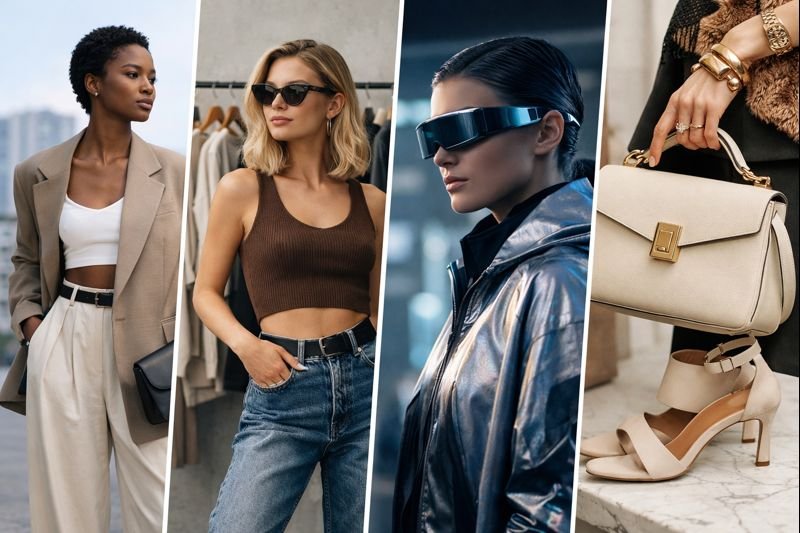
Fashion is no longer dictated solely by runways or seasonal lookbooks. Today’s modern style is shaped by culture, technology, sustainability, and personal identity. From relaxed tailoring to digital-first aesthetics, the fashion trends redefining modern style reflect how people actually live, work, and express themselves in real time.
Rather than chasing fleeting fads, modern fashion is about adaptability, intention, and individuality. Below, we explore the most influential fashion trends shaping contemporary style—and why they matter now more than ever.
1. Effortless Tailoring: Where Comfort Meets Structure
One of the most defining shifts in modern fashion is the evolution of tailoring. Traditional stiff silhouettes have given way to relaxed blazers, wide-leg trousers, and fluid suiting that blend polish with comfort.
Designers are embracing softer fabrics, unstructured shoulders, and looser fits that move with the body. This trend reflects the modern lifestyle—hybrid work, fluid schedules, and the desire to look refined without feeling restricted.
Why it’s redefining style:
It breaks the outdated rule that elegance requires discomfort, offering versatility for both professional and casual settings.
2. Sustainable Fashion as a Style Standard
Sustainability is no longer a niche concept—it’s a core pillar of modern fashion. Consumers are increasingly drawn to eco-friendly materials, ethical production, and transparent supply chains.
Recycled fabrics, plant-based dyes, and low-waste designs are becoming mainstream. More importantly, sustainable fashion is influencing aesthetics, favoring timeless designs over trend-chasing.
Why it’s redefining style:
Modern style now values responsibility as much as appearance, proving that fashion can be both stylish and conscious.
3. Gender-Fluid Fashion and Inclusive Design
Rigid gender norms are fading fast. Modern fashion embraces gender-neutral silhouettes, unisex collections, and inclusive sizing, allowing individuals to define their own style without labels.
Oversized shirts, tailored trousers, skirts, and layered looks are being styled across gender identities, reflecting a broader cultural shift toward self-expression and authenticity.
Why it’s redefining style:
Fashion is becoming a personal language rather than a category, empowering people to dress for themselves rather than for expectations.
4. Elevated Casualwear and Luxe Loungewear
Casualwear has undergone a serious upgrade. Once reserved for downtime, hoodies, knit sets, and relaxed separates are now crafted in premium fabrics and thoughtful cuts.
This trend blends luxury with wearability—think cashmere joggers, structured sweatshirts, and minimalist sneakers that work beyond the couch.
Why it’s redefining style:
It reflects modern priorities: comfort, versatility, and understated sophistication.
5. Vintage Revival with a Modern Twist
Modern fashion is looking backward—but with intention. Vintage-inspired silhouettes from the ’70s, ’90s, and early 2000s are re-emerging, updated with contemporary tailoring and styling.
Instead of full retro looks, today’s style incorporates subtle nods—flared trousers with modern tops, classic denim cuts paired with minimalist accessories.
Why it’s redefining style:
It merges nostalgia with innovation, creating depth and individuality in everyday fashion.
6. Digital Influence and Tech-Driven Style
Social media, virtual fashion shows, and digital styling tools are reshaping how trends emerge. Platforms like Instagram and TikTok have accelerated trend cycles while also democratizing fashion influence.
Additionally, tech-integrated fashion—from smart fabrics to digital-only clothing—is pushing boundaries beyond physical wardrobes.
Why it’s redefining style:
Modern fashion is no longer limited to physical spaces; it exists at the intersection of digital culture and personal branding.
7. Statement Accessories as Style Anchors
In an era of minimalist wardrobes, accessories are taking center stage. Bold bags, sculptural jewelry, oversized sunglasses, and standout footwear are transforming simple outfits.
Rather than overloading looks, modern styling focuses on one or two intentional statement pieces.
Why it’s redefining style:
It allows for creativity and reinvention without excess, aligning with both sustainability and individuality.
8. Personal Style Over Prescriptive Trends
The most important trend redefining modern style is the shift away from strict fashion rules. People are mixing high and low fashion, blending aesthetics, and prioritizing what feels authentic.
Capsule wardrobes, thrifted finds, and personalized styling are replacing rigid adherence to trends.
Why it’s redefining style:
Modern fashion celebrates uniqueness, proving that true style isn’t about following trends—it’s about owning them.
Final Thoughts: The New Definition of Modern Style
The fashion trends redefining modern style are less about what’s “in” and more about what feels right. Comfort, sustainability, inclusivity, and self-expression are now the cornerstones of contemporary fashion.
As style continues to evolve, one thing is clear: modern fashion is no longer dictated—it’s curated, lived in, and deeply personal.